
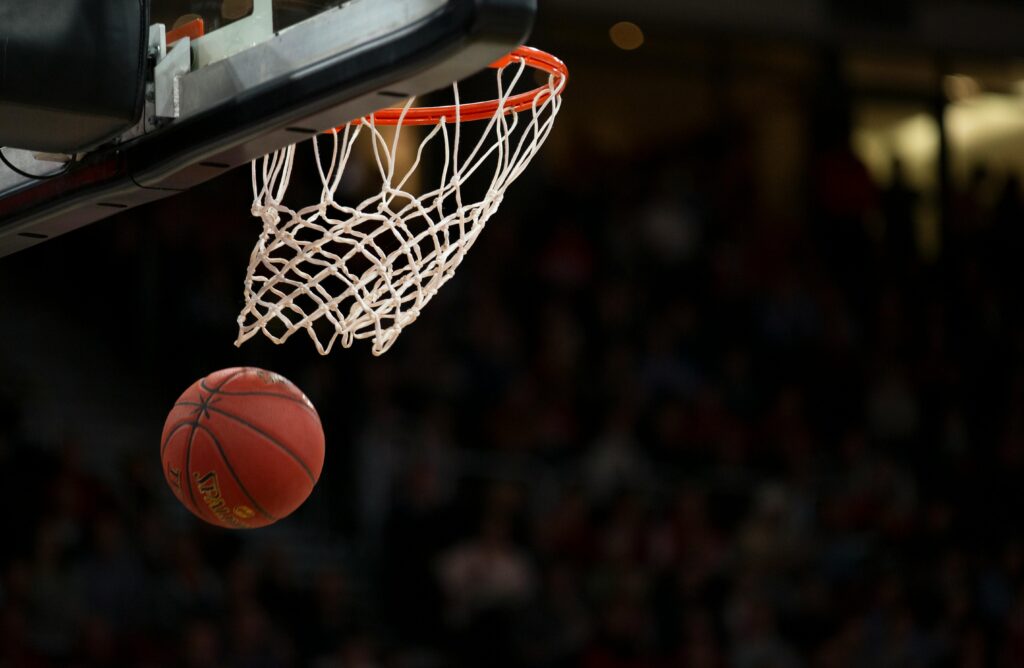
As the calendar turns to April 2026, the sporting world fixates on a single location: Lucas Oil Stadium in Indianapolis. March Madness has reached its fever pitch, and the Final Four is no longer just a series of basketball games—it is a cultural phenomenon that generates billions of data points and unparalleled search interest.
For fans and analysts alike, the 2026 tournament has redefined the “Cinderella Story.” While blue-bloods often dominate the headlines, this year’s bracket has proven that the gap between high-major programs and mid-major disruptors has never been thinner.
The 2026 Road to Indianapolis: Bracket Breakdown
The journey to the Final Four on April 4 and 6, 2026, began with a Selection Sunday that stunned experts. The East and Midwest regions, in particular, became “bracket busters” early on.
- The Powerhouse Path: Teams like UConn and Michigan entered the tournament with massive expectations. UConn, seeking to cement a modern dynasty, navigated a grueling East Regional, while Michigan’s offensive efficiency made them a favorite in the Midwest.
- The Elite Eight Clashes: The final weekend of March saw heavyweight matchups that felt like national title games. The showdown between Duke and UConn in Washington, D.C., and the battle between Arizona and Purdue in San Jose provided the high-stakes drama that drives millions to refresh their live scores every second.
Why “Cinderella” Still Captivates the 2026 Demographic
In an era of hyper-optimized analytics, the unpredictable nature of an underdog run remains the primary driver of engagement. The 2026 tournament saw teams like Miami (Ohio) and Saint Louis challenge the established order, proving that veteran rosters and specialized coaching can overcome raw recruiting talent.
This year’s “Cinderella” isn’t just about a lucky shot; it’s about tactical superiority. Smaller programs are now using advanced biomechanics and specialized perimeter schemes to neutralize the size advantage of Power 5 schools. When a double-digit seed topples a giant, it triggers a tidal wave of social media activity and “Cinderella story” search queries that dominate the digital landscape for weeks.
Digital Engagement and the Modern Spectator
The way we consume the Final Four has undergone a seismic shift. The modern spectator is no longer a passive viewer; they are an active participant in a digital ecosystem. From real-time bracket updates to interactive polls, the experience is fully immersive.
The aesthetic of these digital platforms has evolved to match this high-energy environment, with interfaces prioritizing speed, clean lines, and responsive design. This emphasis on a premium user experience mirrors the high standards found on professional hubs like the U2 gaming platform, where the transition from one high-stakes moment to the next is seamless and visually engaging. Whether a fan is tracking a parlay or a bracket percentile, the demand for low-latency data and a “gamified” layout is now the universal benchmark for digital success.
Key Dates for the 2026 National Championship
If you are planning your viewing schedule or finalizing your sports content strategy, keep these dates at the forefront:
| Round | Date | Location |
| National Semifinals | Saturday, April 4, 2026 | Lucas Oil Stadium, Indy |
| National Championship | Monday, April 6, 2026 | Lucas Oil Stadium, Indy |
Conclusion: The Madness is Just Beginning
As we approach the tip-off in Indianapolis, the 2026 Final Four stands as a testament to the enduring power of college basketball. The “perfect bracket” may be a myth, but the stories created along the way—from the heartbreaking buzzer-beaters to the rise of an unexpected champion—are very real.
For the fans in the stands and the millions watching on screens across the globe, the next few days will define the legacy of these athletes. In the world of March Madness, there are no guarantees—only the thrill of the next possession.