
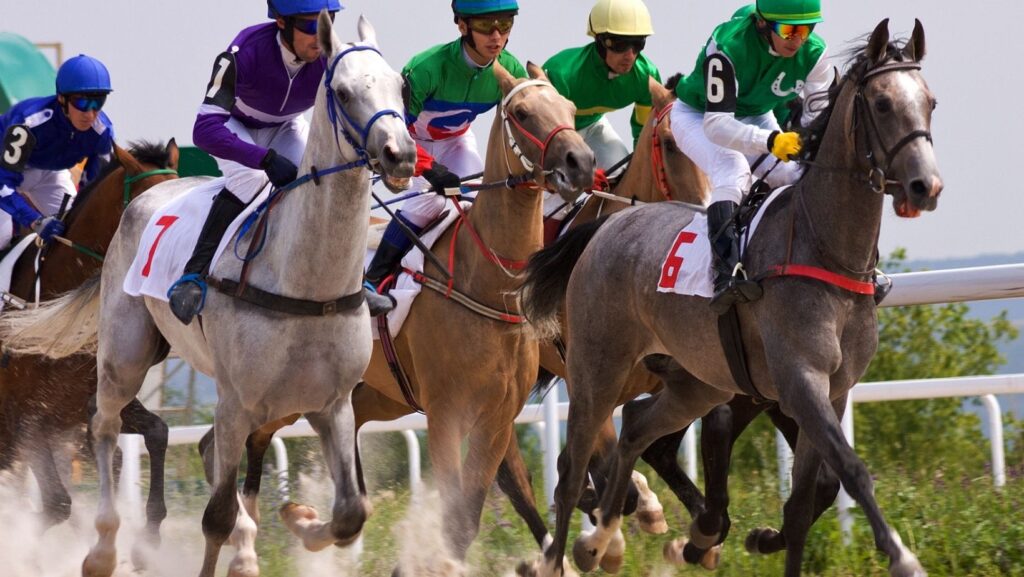
Cheltenham Festival always feels like the true start of the jump racing spring. The build up is long, the talk is loud, and the form lines have been tested in enough places that you can trust them without pretending everything is settled. By the time the meeting arrives in March 2026, trainers are no longer hiding behind fitness excuses and gentle campaigns. Horses either belong at this level or they do not, and Cheltenham tends to make that clear within the first two races.
It is also the point in the season where opinions stop being private. Everyone has a shortlist, everyone has a view on the ground, and the market moves quickly once final fields take shape, particularly for people who follow horse racing betting as part of their routine. But the Festival is not won on anticipation. It is won in the middle of the hill when a horse has to hold a position, jump cleanly under pressure, and then find another gear when the race turns into a test of stamina rather than speed.
Why Cheltenham Is Its Own Examination
Cheltenham is not just a four day meeting with big prize money. It is a track that demands specific skills. You need balance to handle the turns, accuracy at the obstacles, and the ability to breathe while climbing. Even good horses can look ordinary if they get out of rhythm early. A slightly big jump can cost two lengths, and at Festival pace two lengths can be the difference between having a clear run at the last and being forced to switch around fading rivals.
The hill is the detail that separates Cheltenham from most other major meetings. It is not only the final climb after the last fence or hurdle. It is the way the course drains energy throughout a race. A horse that travels kindly at halfway can still empty late because Cheltenham has been asking questions for a mile already. That is why you see so many strong travellers caught close home, and why patient rides often look clever in hindsight.
The Meeting’s Shape and the Daily Rhythm
Each day has a distinct identity, and that matters when you are trying to understand how the week might unfold. Early in the week, the atmosphere is sharp and the pace is often fierce. Horses who settle well and jump economically can gain an edge when others are too keen. As the meeting progresses, the ground can change, the track can show wear, and fields can become more tactical, especially if conditions favour stamina and attrition.
The Festival also has its own logic in terms of preparation. Some horses arrive off a quiet run that was clearly a prep. Others arrive off a hard race because the connections felt they needed to prove a point. Neither approach is automatically right. The key is whether the horse has been trained to peak now, and whether its style suits Cheltenham’s demands.
What to Look For in the Near Future
As the declarations draw closer, a few factors usually become the real story.
Ground and pace
Cheltenham can punish horses who need everything to go their way. If the ground rides softer than expected, it can turn fast, slick jumpers into plodders. If it rides quicker, it can expose horses who rely on stamina alone. Pace matters just as much. A strong gallop can bring stamina to the front and stretch jumping. A slower pace can turn races into sprints off the turn, which rewards position and tactical speed.
Field size and track position
Big fields are part of the Festival’s identity. They create traffic, and traffic creates compromise. Horses that can hold a position without fighting their rider have a real advantage. So do horses that jump quickly and land running, because they can avoid getting shuffled back when others make mistakes. You do not need a wide, sweeping run every time, but you do need a horse that can cope when the gaps do not appear on cue.
Experience at Cheltenham
Course form is not a magic key, but it is a genuine signal. Some horses simply do not enjoy the place. They might be brave elsewhere, then look uncomfortable on the downhill run where speed meets balance. Others come alive here, travelling better and jumping with more intent because the track suits their stride pattern. When a horse has already proved it handles Cheltenham in a strong race, you can treat that as information rather than nostalgia.
The Human Side That Often Decides It
Cheltenham is also a test of people. Trainers have to judge whether to take a chance on a big race or wait for a smaller target. Jockeys have to manage emotion. It is easy to ask a horse too early at Cheltenham. It is easy to commit to a line and realise it is closing. The best Festival rides often look almost quiet, with a jockey saving energy, keeping a horse’s jumping organised, and only asking for a serious effort when the hill begins to bite.
Stable confidence is another subtle factor. When a yard is sending out winners, it changes everything around a horse. The team’s routine is sharp, the horses are healthy, and jockeys ride with calm expectation rather than hope. You will notice it in the way horses go to post, in how they respond after the first couple of fences, and in how assertive the rides become.
Why the Festival Still Matters Beyond the Winners
The Festival’s impact is not confined to its own week. It shapes reputations and future campaigns. A novice chaser who jumps brilliantly here suddenly becomes a serious player for the following season’s biggest prizes. A hurdler who fails to see out the finish might be rerouted over fences next term. A horse that travels like the winner then gets outpaced after the last can point to a new trip, a new track, or a new approach to racing.
It also matters because it draws everything together. The Irish and British programmes collide at the same venue under the same conditions, and it provides a rare, clean comparison. That is why the results feel definitive, even though racing never truly offers final answers.
A Practical Way to Watch the Week
If you want to follow Cheltenham closely without getting lost in noise, keep it simple.
Start with how each race is likely to be run. Look for obvious pace, then watch whether the early stages confirm it. Pay attention to jumping rhythm. Horses that jump slickly in the first half often keep doing it when others tire. Note which horses finish strongly up the hill, even if they do not win. Those are often the ones to follow when conditions turn more demanding later in the meeting.
Cheltenham Festival 2026 will produce its usual mix of brilliance and heartbreak, but it rarely produces randomness. The track asks the same questions every year. The horses that answer them cleanly, with jumping, balance, and stamina, tend to be the ones still finding more when the crowd is at full volume and the hill starts to feel twice as long.